Leave Your Message
As the energy landscape evolves, the demand for advanced Ignition Systems is paramount, particularly for stationary gas engines that are pivotal in power generation and industrial applications. According to a recent market report by ResearchAndMarkets, the global gas engine market is projected to reach $9.5 billion by 2025, driven largely by innovations in ignition technology and eco-friendly energy solutions. At TECHIE Inc., we are dedicated to meeting this demand by providing a comprehensive range of ignition systems that offer over 95% coverage for leading gas engine brands like GE Jenbacher, MWM, and CAT. Our commitment to innovation and excellence ensures that we equip our customers with cutting-edge technology and a one-stop service for gas engine spare parts, enabling them to improve efficiency and reduce emissions in an increasingly competitive market. As we explore alternatives in ignition systems for 2025, TECHIE continues to lead the way in this dynamic industry.

The evolution of ignition systems has taken a remarkable trajectory over the past few decades, with technology being the driving force behind these advancements. According to a recent report by MarketsandMarkets, the global ignition system market is projected to reach USD 4.42 billion by 2025, growing at a compound annual growth rate (CAGR) of 5.5%. This growth can be attributed to the rising demand for efficient and eco-friendly solutions in the automotive industry, pushing manufacturers to innovate beyond conventional systems.

Innovations in ignition technology are revolutionizing both performance and environmental impact. For instance, the transition from traditional spark ignition to advanced systems, such as laser ignition and plasma-assisted combustion, has shown promise in enhancing fuel efficiency and reducing emissions. A study published in the Journal of Combustion Science indicated that laser ignition systems could potentially improve combustion efficiency by up to 25%, significantly lowering greenhouse gas emissions. As we look towards 2025, the integration of smart technologies, like AI-driven diagnostics and IoT-enabled systems, will further redefine how ignition systems operate, making them smarter and more responsive to real-time conditions.
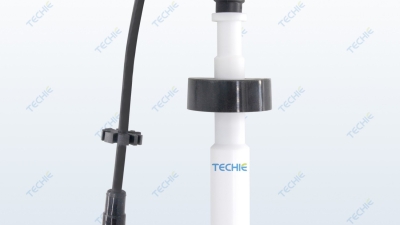
Enhancing engine performance is crucial for optimizing the efficiency and longevity of your Jenbacher engines. One key component that plays a significant role in this is the ignition system, where quality ignition cables can make a noteworthy difference. TECHIE premium ignition cables are specifically designed for Jenbacher Type 3 series, 4 series, and P7 spark plugs, ensuring that these engines are provided with the best possible spark for combustion.
These premium cables are crafted with high-grade materials that reduce resistance, enhance conductivity, and improve durability in challenging conditions. The superior design of TECHIE ignition cables not only ensures a reliable spark under varying operational scenarios but also contributes to smoother engine performance and better fuel efficiency. By investing in these specialized ignition cables, users can expect improved ignition reliability, which translates into lower emissions and an overall boost in engine performance.
Moreover, the installation of TECHIE ignition cables is straightforward, making it an accessible upgrade for engine maintenance routines. The compatibility with multiple Jenbacher models further emphasizes the versatility and effectiveness of these cables. By prioritizing quality ignition cables, engineers and technicians can significantly enhance engine performance, resulting in reduced downtime and increased operational efficiency in their energy generation endeavors.
: By 2025, eco-friendly ignition technologies are expected to focus on utilizing renewable energy sources such as solar power or biofuels, leading to more efficient combustion processes, lower emissions, and a smaller carbon footprint.
Smart ignition systems utilize AI algorithms and real-time data from sensors to optimize ignition timing and fuel mixture based on different driving conditions, which enhances engine performance and improves fuel economy.
IoT connectivity allows vehicles to communicate with each other and external infrastructure, enabling smart ignition systems to adapt performance based on traffic conditions or weather changes for a more integrated and efficient driving experience.
Customizing ignition systems for specific engine models ensures optimal combustion and improved fuel efficiency, maximizing engine performance and reducing operational costs.
Regularly scheduled maintenance of ignition systems is essential to identify potential issues before they escalate, ensuring seamless operation and reduced downtime.
Advanced ignition systems improve performance in stationary gas engines by providing over 95% coverage for popular engine models and integrating smart controls that adjust timing and power output based on real-time performance data.
The integration of AI and IoT in ignition technologies will provide vehicles with the ability to adapt performance based on real-time data, which is crucial for the development of safe and efficient autonomous vehicles.
Renewable energy-powered ignition systems lead to more efficient combustion processes, significantly reducing emissions and contributing to a smaller overall carbon footprint in the automotive sector.
Investing in advanced ignition systems can significantly enhance efficiency and reliability, resulting in a more robust energy solution and lower operational costs for businesses.
The future outlook for ignition technologies in the automotive industry is focused on sustainability, integration of AI and IoT, and innovations that lead to cleaner, smarter, and more efficient vehicles.








 You know, as the automotive industry pushes towards a more sustainable future,