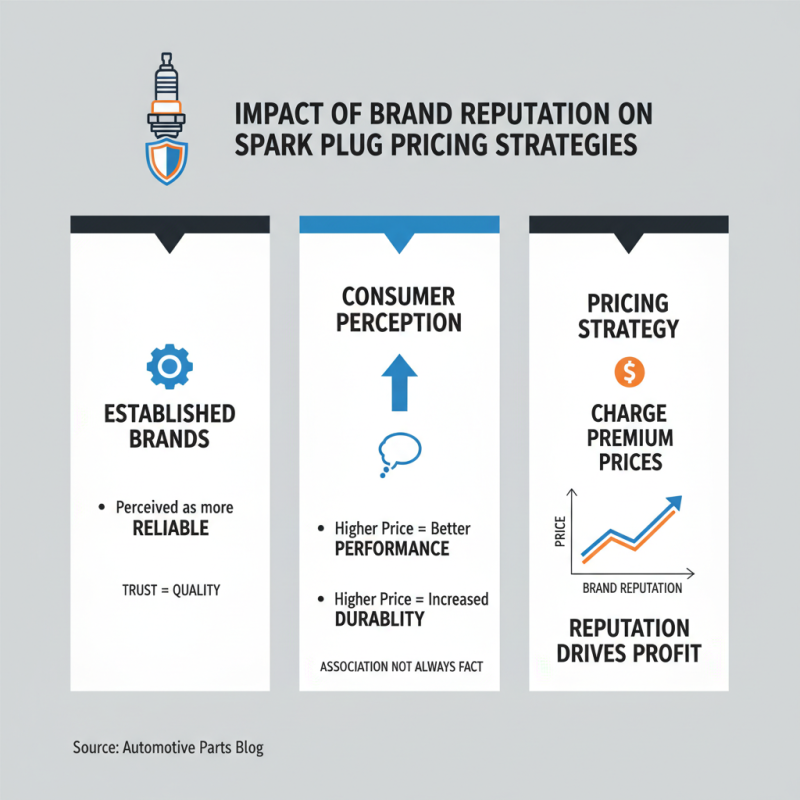
In today's world of cars and engines, getting a good grip on how spark plugs are priced around the globe is pretty important for buyers everywhere. I was chatting with Michael Thompson from Auto Insights the other day, and he mentioned, "Finding the right spark plug can really make a difference in how your car runs and how much you end up paying. It's definitely something you want to understand well." His point really hits home—the pricing scene is more complicated than it looks.
The market for spark plugs isn’t just about one-off factors; many things come into play. The brand’s reputation, what materials are used, and the tech involved all influence the price tags you see. For example, those high-Performance Spark Plugs tend to cost a bit more—it’s kind of the premium you pay for extra power and durability. But here’s the thing: do most people really know about these differences? Honestly, a lot of folks don’t.
On top of that, costs for raw materials fluctuate, which makes prices jump around unpredictably. And let’s not forget how economic ups and downs can shake things up, too. Because of all these moving parts, it’s super important for buyers to stay in the loop. Being aware of current trends not only helps you save a few bucks but also helps you make smarter choices overall. The market’s pretty competitive, so the more proactive you are, the better off you'll be.
Overview of Spark Plug Types and Their Applications
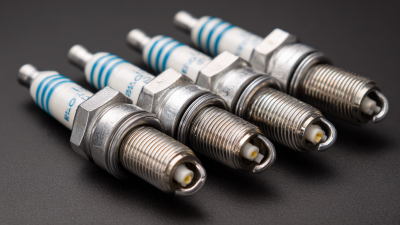
Spark plugs are essential components in internal combustion engines. They ignite the air-fuel mixture, enabling engine performance. Different types of spark plugs exist, tailored for various applications. Conventional plugs are often found in standard vehicles, while premium options like Platinum Spark Plugs offer enhanced performance. According to a recent market analysis, the global spark plug market is projected to grow at a CAGR of approximately 2.5% through the next five years.
Inevitably, the right spark plug choice impacts engine efficiency. For instance, iridium plugs tend to have a longer lifespan than traditional options, with estimates suggesting over 60,000 miles of use. However, costs for these advanced plugs can be significantly higher, creating a challenge for budget-conscious consumers. Many buyers may overlook the benefits, focusing only on the immediate expense rather than long-term savings.
Selecting the appropriate spark plug requires knowledge. It's essential to consider vehicle specifications and driving conditions. Many consumers make mistakes by choosing the wrong type or model. Proper research is necessary for informed decisions. In regions with extreme climates, heat range variations can greatly affect performance. For example, colder climates may require plugs with a different heat range to prevent fouling. Balancing expertise and user knowledge can lead to more efficient engine operation.
Factors Influencing Spark Plug Pricing Globally
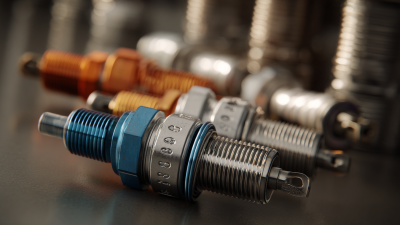
When considering spark plug pricing globally, several key factors come into play. Material quality remains a leading influence. Different metals, such as platinum or iridium, significantly affect the cost. Cheaper options may use lower-grade materials, which could lead to reduced performance and longevity. Buyers must weigh the benefits of investing in high-quality plugs against the potential savings of cheaper alternatives.
Market demand also shapes pricing. In regions where vehicle maintenance is prioritized, spark plug prices may rise. Economic conditions, such as inflation or currency fluctuations, can further impact pricing dynamics. For instance, during economic downturns, buyers may lean towards budget options, prompting shifts in market supply and demand. This can create a cycle where low-cost products dominate, yet ultimately, performance may be compromised.
Lastly, shipping and logistics affect costs considerably. International shipping rates can escalate prices, driving buyers to choose local suppliers. Additionally, variations in distribution channels create disparities in pricing. It's crucial for buyers to thoroughly research and understand these factors before making purchasing decisions. Balancing cost with quality will lead to better long-term performance and savings.
Comparison of Spark Plug Pricing Across Different Markets
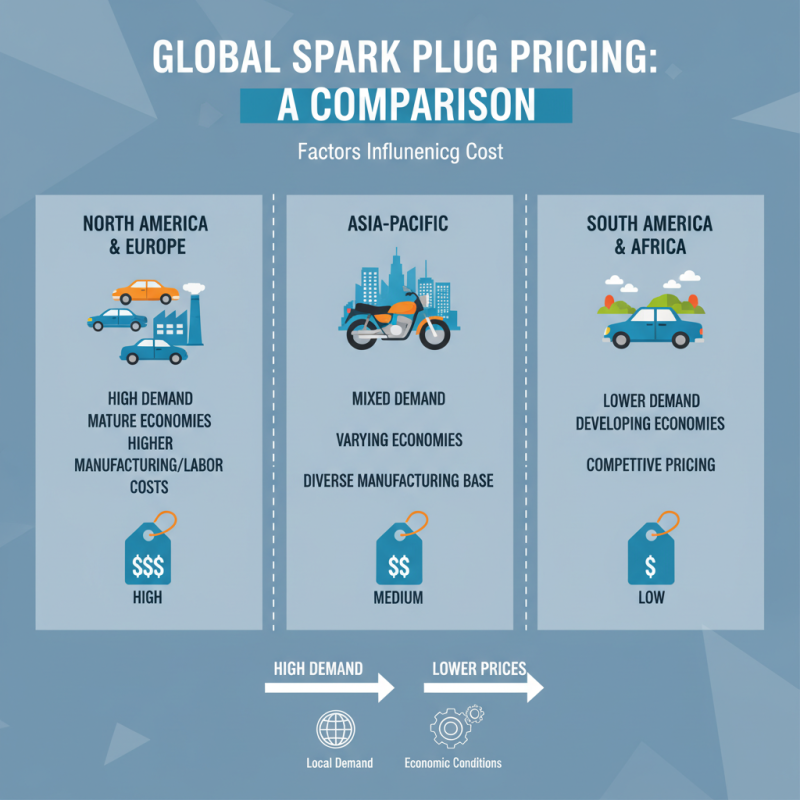
Spark plug pricing can vary significantly across different global markets. Factors such as local demand, economic conditions, and manufacturing costs play a crucial role. For instance, regions with high vehicle ownership often see increased spark plug prices due to higher demand for replacements. In contrast, areas with a reduced market presence may offer more competitive pricing.
Analyzing regional pricing trends highlights disparities. In Europe, the costs reflect stringent regulations and quality standards. Meanwhile, Asia may offer lower prices driven by mass production and competition among suppliers. However, price does not always equal quality. Buyers must consider the reliability of local suppliers when making decisions.
Market fluctuations can create unexpected challenges. Buyers might find that prices fluctuate rapidly due to supply chain issues or geopolitical factors. It's essential to stay informed about the latest market trends. Understanding these dynamics can help buyers make more informed decisions while navigating the complexities of purchasing spark plugs globally. This landscape emphasizes the need for thorough research before committing to a purchase.
Cost Breakdown: Manufacturing and Material Costs of Spark Plugs
The cost of spark plugs includes various manufacturing and material expenses. These costs can significantly impact the final price for global buyers. For many, understanding these expenses is vital when considering Spark Plugs Changing. The materials used, like copper, platinum, and iridium, each have their pricing factors.
Copper, often used for basic plugs, is relatively inexpensive. However, it may wear out faster. Platinum and iridium alloys, while more costly, ensure durability and performance. Buyers should evaluate their needs and usage frequency. The production process also contributes to costs. Advanced manufacturing techniques increase efficiency but can raise prices.
Finding balance is crucial. High-end materials can seem appealing. Cheaper alternatives may save money upfront but could lead to frequent replacements. Ultimately, understanding the nuances in spark plug costs can empower consumers. It’s essential to weigh the benefits of durability against short-term budget constraints.
Consumer Preferences and Their Effect on Spark Plug Pricing
Consumer preferences play a crucial role in determining spark plug pricing globally. Buyers often seek products that offer durability and performance. These factors heavily influence their purchasing decisions. Many consumers are willing to pay a premium for plugs that promise better fuel efficiency and longevity. This inclination affects market stability, creating fluctuations in pricing over time.
Another interesting aspect is the importance of Spark Plugs Location. Regional preferences shape how buyers perceive value. For instance, in areas with extreme weather, consumers may prioritize plugs that withstand harsh conditions. This demand can lead to price differences based on local availability and specific needs. Additionally, online reviews often sway consumer choices. A plug with excellent reviews might command a higher price, driving competition among suppliers.
Market trends indicate that consumers increasingly value sustainability. Environmentally friendly products tend to attract buyers' attention. This shift may impact traditional pricing models. Some cheaper options may lose favor in light of rising ecological awareness. Thus, understanding consumer behavior is essential for stakeholders in this market. They need to adapt pricing strategies to stay relevant in a changing landscape.
Top 10 Spark Plugs Pricing Insights for Global Buyers
This chart illustrates the average prices of various types of spark plugs based on consumer preferences globally, providing insights into pricing trends in the market.
Forecasting Trends in Spark Plug Prices for Future Buyers
The spark plug market is evolving. Understanding future pricing trends is essential for buyers. Recent data suggests that factors like material costs and supply chain disruptions will significantly influence prices in the coming years. Buyers must be prepared for fluctuations based on these elements.
Recent analyses indicate that advanced materials may increase spark plug durability and efficiency. However, this can also lead to higher initial costs. Awareness of these trends will help buyers make informed decisions. While premium options may provide better performance, the investment required may not always align with budget constraints.
One must also consider environmental regulations. They can affect production costs and, subsequently, pricing. Buyers should remain vigilant and adaptable, as market conditions are uncertain. Understanding the broader economic context can better equip buyers to navigate potential challenges in the spark plug market.
Top 10 Spark Plugs Pricing Insights for Global Buyers
| Rank | Type of Spark Plug | Average Price (USD) | Price Trend (%) | Regions with Highest Demand | Projected Price in 2025 (USD) |
| 1 | Copper Spark Plugs | $2.50 | +5% | North America, Europe | $2.63 |
| 2 | Iridium Spark Plugs | $10.00 | +3% | Asia, Europe | $10.30 |
| 3 | Platinum Spark Plugs | $8.00 | +4% | North America, Asia | $8.32 |
| 4 | Double Platinum Spark Plugs | $9.50 | +2% | North America, Europe | $9.69 |
| 5 | Racing Spark Plugs | $15.00 | +6% | Global | $15.90 |
| 6 | Laser Spark Plugs | $12.50 | +4% | North America, Asia | $13.00 |
| 7 | OEM Spark Plugs | $7.00 | +3% | Europe, Asia | $7.21 |
| 8 | Resistor Spark Plugs | $5.00 | +2% | North America, Europe | $5.10 |
| 9 | Multi-Ground Spark Plugs | $6.00 | +5% | Asia, Europe | $6.30 |
| 10 | Custom Spark Plugs | $20.00 | +7% | Global | $21.40 |
Conclusion
The article "Top 10 Spark Plugs Pricing Insights for Global Buyers" explores the diverse landscape of spark plugs pricing, encompassing various types and their specific applications. It delves into the key factors that influence pricing on a global scale, such as manufacturing and material costs, while also comparing prices across different markets. Additionally, the report highlights how brand reputation can shape pricing strategies and the role of consumer preferences in determining market trends.
With a forward-looking perspective, the article forecasts future trends in spark plugs pricing, enabling buyers to make informed decisions. Understanding the intricacies of spark plugs pricing is crucial for global purchasers seeking to navigate the complexities of this vital automotive component market effectively.