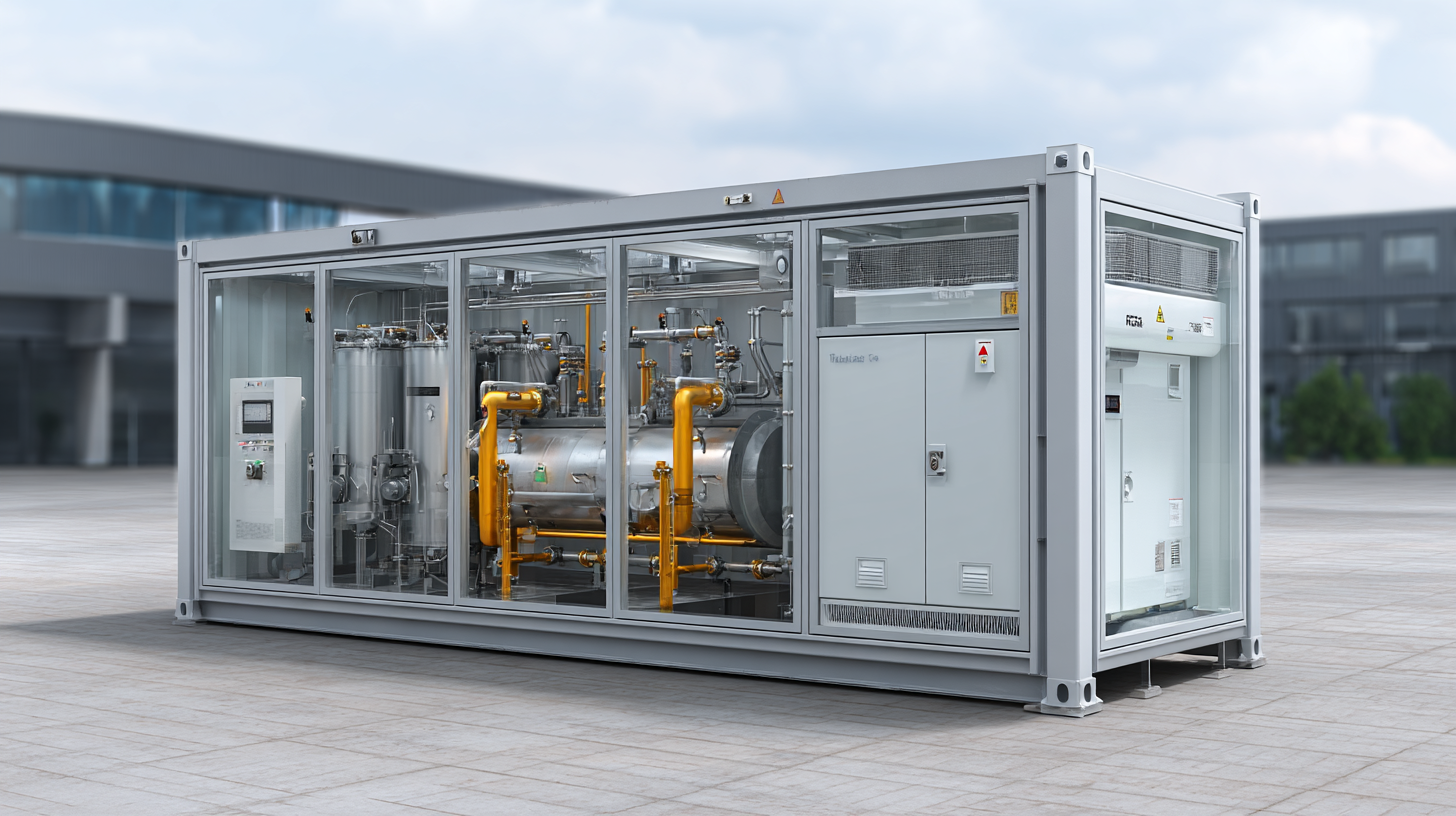
Lately, everyone’s been talking about the push for more sustainable energy solutions, and one thing's clear: the demand for reliable and efficient Methane Gas Generators is really picking up. These machines are actually pretty important—they help us tap into methane, which is a much cleaner option compared to traditional fossil fuels. As our energy needs grow and change, choosing the right methane gas generator isn’t just about picking any old model. You’ve gotta think about things like how efficient it is, how long it’ll last, and whether it plays nicely with your existing setup.
At TECHIE Inc., we’re pretty passionate about this stuff. We specialize in ignition systems for stationary gas engines and offer a wide range of products that work with over 95% of major gas engine brands like GE Jenbacher, MWM, and CAT. We’re all about making your life easier by providing a one-stop shop for gas engine spare parts, so you can trust us to help you find the perfect methane gas generator tailored to your specific needs.
In this blog, I’ll walk you through some top tips and strategies for sourcing the very best methane gas generators, so you can make an informed decision that really fits your energy goals.
Key Considerations for Evaluating Methane Gas Generators for Your Energy Needs
When you're looking into methane gas generators for your energy needs, there are a few key things you'll want to keep in mind. Totally first, check out the generator’s capacity and how much power it can produce. Having a clear idea of how much energy you currently use—that way, you pick one that not only covers your needs now but also has room to grow if you expand later. It’s a good idea to look for models with adjustable outputs, so they can handle changing demands without a hitch.
Another thing to think about is the fuel quality and where it comes from. Methane can come from all kinds of places—landfills, biogas plants, even natural gas pipelines. Each source might impact how well the generator runs and how much maintenance it needs. Plus, you should consider whether you'll have steady access to good-quality methane over time—because consistent fuel supply is crucial if you want things to run smoothly without interruptions.
And don’t forget to check out what modern features are packed into the generator. Today’s models often come with smart monitoring systems that can really help boost performance and make maintenance easier. Look for features that automate some processes and give you real-time data—this way, you can keep an eye on fuel use and keep costs in check. By taking all these things into account, you’ll be able to find a methane generator that fits right in with your energy plans—and works well for you in the long run.
5 Essential Features to Look for in a High-Quality Methane Generator
When you're on the lookout for a good quality methane gas generator, it’s pretty important to pay attention to a few key features that can really make a difference in efficiency, reliability, and how sustainable it is overall. First off, check if the generator has a solid anaerobic digestion system—that’s what helps boost biogas production. I’ve read some recent studies that stress how crucial it is to optimize these digestion setups, especially by including advanced mixers. Trust me, this can really ramp up your biogas output, which is super important if you're dealing with organic waste like brewery leftovers—they’re actually a pretty rich source of methane.
Another thing to think about is how well the generator can handle different types of fuel. Some models can run on biogas made from stuff like maize silage or cow dung, which is pretty handy. Dual-fuel options, as discussed in some recent reviews, give you the flexibility to switch things up depending on what's available. That way, you won’t have to worry about interruptions in your energy supply. Oh, and don’t forget: pick something that’s easy to maintain and has solid support for spare parts. Companies like TECHIE Inc. are known for their reliable ignition systems designed specifically for stationary gas engines—that can really save you headaches down the road. All in all, choosing the right generator means better performance and a longer-lasting investment in sustainable energy."
Top 3 Benefits of Utilizing Methane Gas Generators in Energy Production
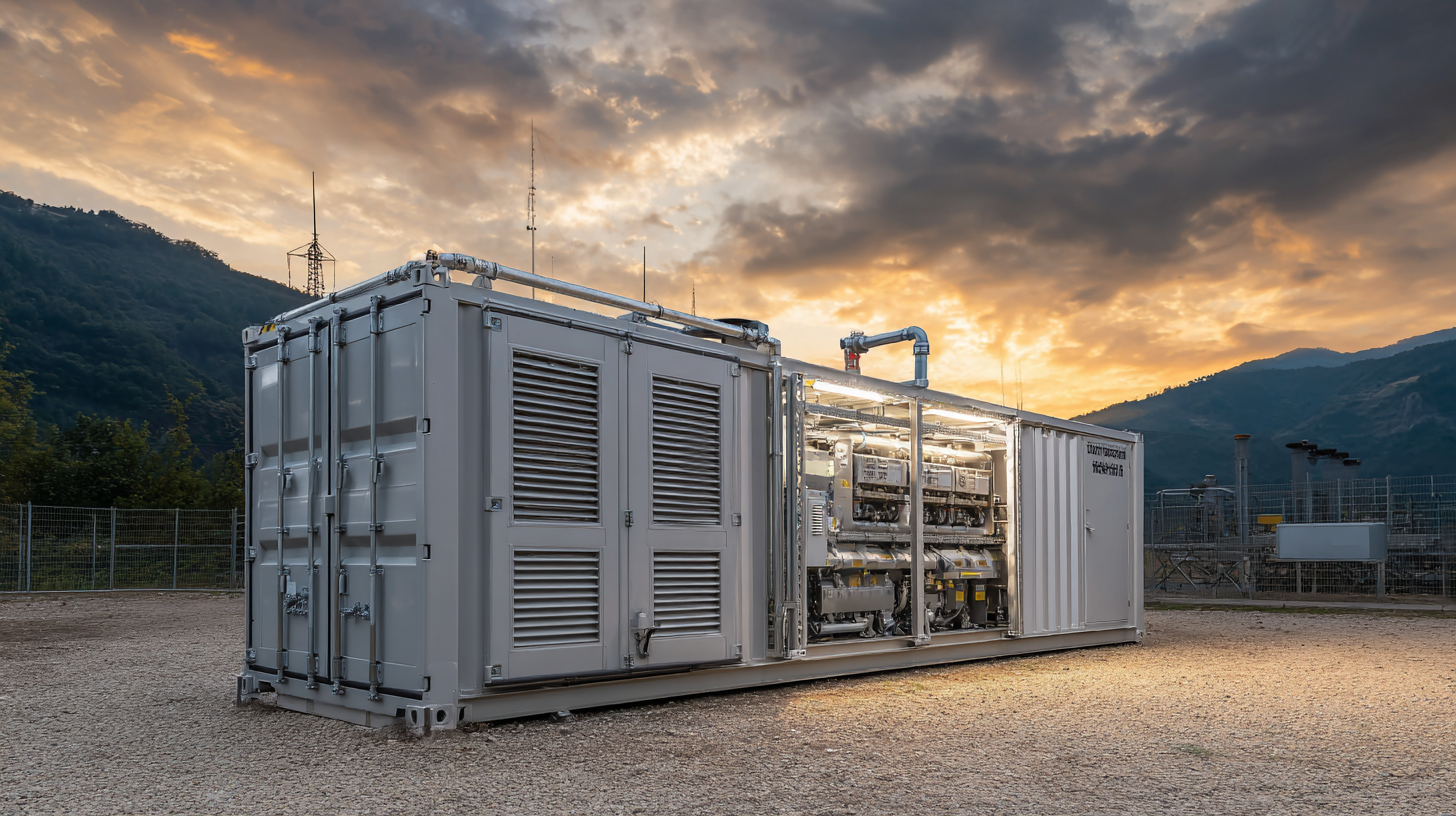
Lately, methane gas generators are really gaining popularity when it comes to producing energy, and for good reason. One of the biggest perks? They’re pretty good at turning waste into power. By tapping into methane from stuff like agricultural leftovers or landfills, these generators aren’t just creating a renewable energy source — they’re also helping us manage waste more effectively. It’s like killing two birds with one stone! Because of that, they’re becoming a pretty attractive option for both businesses and communities who want to be more sustainable.
And here’s the cherry on top: they’re kinder to the environment, too. Compared to traditional fossil fuels, methane generators emit way less carbon, which is a huge deal when you think about climate change. Plus, they actually catch and use methane that would otherwise get released into the air — making them even greener. By jumping on board with methane technology, organizations can cover their energy needs while also doing their part to keep the planet cleaner and healthier for future generations. Honestly, it’s a win-win situation all around.
Top Strategies for Sourcing the Best Methane Gas Generator for Your Energy Needs - Top 3 Benefits of Utilizing Methane Gas Generators in Energy Production
| Feature | Benefit | Key Consideration | Efficiency Rating |
| Fuel Flexibility | Utilizes renewable methane sources | Availability of feedstock | 85% – 90% |
| Low Emissions | Reduced carbon footprint | Regulatory compliance | 80% reduction in CO2 |
| Cost-Effectiveness | Lower operating costs compared to diesel | Initial investment vs long-term savings | Cost savings of up to 30% |
How to Identify the Right Size and Capacity for Your Methane Generator
So, when you're trying to pick out a methane gas generator, it’s super important to get the right size and capacity. Otherwise, you might end up wasting energy or not having enough power when you need it. According to a report from the International Energy Agency (IEA), the first thing you should do is really understand how much energy your specific setup needs. For example, if you're talking about home use, smaller units—say between 5kW and 20kW—usually do the trick. But if you're dealing with bigger industrial stuff, you might need a generator that's over 1MW to keep up with those heavy-duty demands.
Another important bit to think about is the load factor—that's basically how much of the generator’s capacity you actually use over time versus what's available. The U.S. Department of Energy notes that matching your generator size to your actual load profile can boost your energy efficiency by about 15%. Also, consider how many hours you’ll be running it and what your future energy needs might be—that way, you're not just meeting today’s demands but also setting yourself up for future growth. Bottom line? Do a thorough load analysis before you buy, so you get the most bang for your buck and avoid headaches down the road.
Top Strategies for Sourcing the Best Methane Gas Generator
This bar chart illustrates the percentage of capacity demand based on different sizes of methane gas generators. Understanding these metrics can help you identify the right size and capacity for your energy needs.
7 Common Mistakes to Avoid When Sourcing Methane Gas Generators
When you're on the hunt for methane gas generators, avoiding some common pitfalls can really make a big difference in how smart your purchase turns out to be. For example, one thing a lot of folks overlook is checking out the efficiency ratings of the generators. I mean, according to a report from the U.S. Department of Energy, models with higher thermal efficiency do a better job at turning methane into usable energy, which can save you a ton on operating costs over time. So, it’s definitely worth comparing those efficiency figures across different options before making a decision.
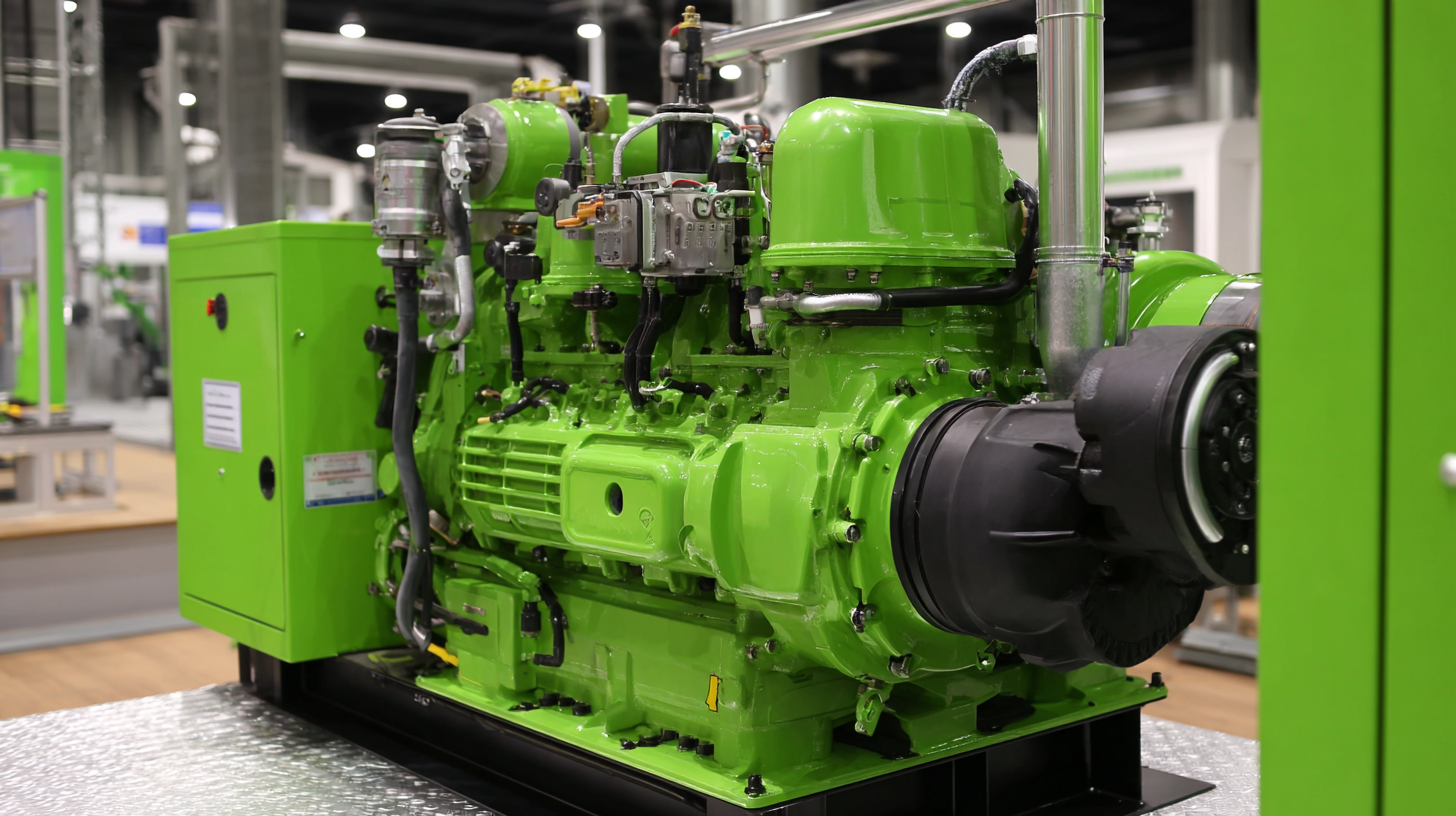
And honestly, another mistake people often make is not paying attention to maintenance and support services. A study from the International Energy Agency highlights that a well-maintained generator can last more than 20 years — that’s a serious investment. Picking a generator that comes with good support and maintenance packages can really pay off, ensuring smooth operation and avoiding those frustrating, costly downtimes down the line.
Here’s a tip: when you’re chatting with suppliers, don’t forget to ask about their service offerings and warranty details. It tells you a lot about how committed they are to customer support and how reliable their products are in the long run. Also, double-check that the generator you select complies with all local regulations—that way, you avoid legal headaches. Choosing wisely isn’t just about saving money; it’s also about supporting sustainable energy practices in the long run.
Enhancing Gas Genset Performance: A Data-Driven Look at TECHIE Premium J-Gap Spark Plugs' Impact on Efficiency and Reliability
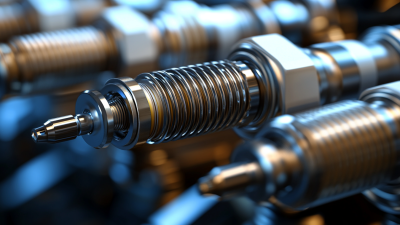
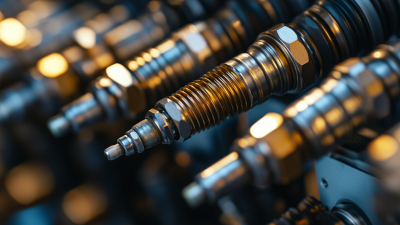
In the pursuit of improved performance and reliability for gas genset systems, the significance of quality components cannot be overstated. One such essential component is the spark plug, which plays a pivotal role in the efficiency of gas engines. The TECHIE Premium J-Gap Spark Plugs stand out as a remarkable advancement in this area, delivering enhanced ignition performance that directly contributes to the overall effectiveness of gas gensets. These spark plugs are designed to optimize combustion, leading to better fuel efficiency and reduced emissions, which are crucial for today's environmentally conscious operations.
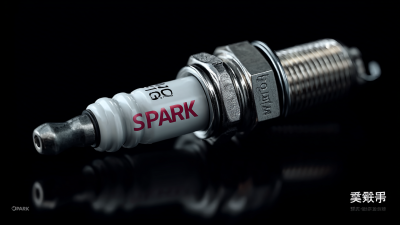
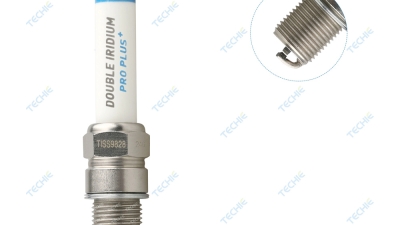
The TECHIE Industrial spark plug model TISS9828 is engineered to replace the traditional Bosch 7308. Its compatibility with various engine models, including CAT3516 and DEUTZ TBG616, further emphasizes its versatility in various applications. This specific spark plug not only promotes better ignition and power output but also improves the reliability of the genset, reducing downtime and maintenance costs. The J-Gap design ensures that each spark plug operates at maximum efficiency, making a significant impact on the performance of gas gensets. As operators look for ways to enhance their systems, investing in quality components such as TECHIE Premium J-Gap Spark Plugs is a forward-thinking choice that achieves both efficiency and reliability in gas engine operations.
FAQS
: When evaluating methane gas generators, consider capacity and output specifications, fuel quality and source, and the technology and features of the generator.
The source of methane, such as landfills or biogas plants, influences operational efficiency and maintenance needs, impacting overall performance.
Consistent access to high-quality methane is crucial for ensuring uninterrupted energy production and maintaining generator efficiency.
Key features include a robust anaerobic digestion system, dual-fuel capability, easy maintenance, and comprehensive support for spare parts.
A robust anaerobic digestion system maximizes biogas yield, which is essential for enhancing energy production, especially from organic waste.
Avoid neglecting efficiency ratings, maintenance and support services, and ensure the generator meets local regulations to prevent legal complications.
Generators with higher thermal efficiency convert more methane into usable energy, ultimately reducing long-term operational costs.
Regular maintenance ensures longevity and consistent performance of the generator, preventing costly downtimes and ensuring reliable energy production.
Inquire about service offerings, warranty coverage, and the generator's compliance with local regulations to gauge supplier reliability and support.
Modern generators with advanced monitoring systems optimize fuel consumption and simplify maintenance, aiding in effective cost management.